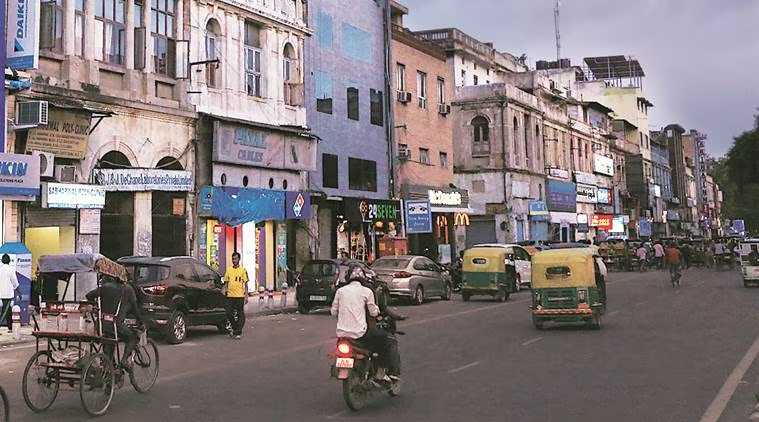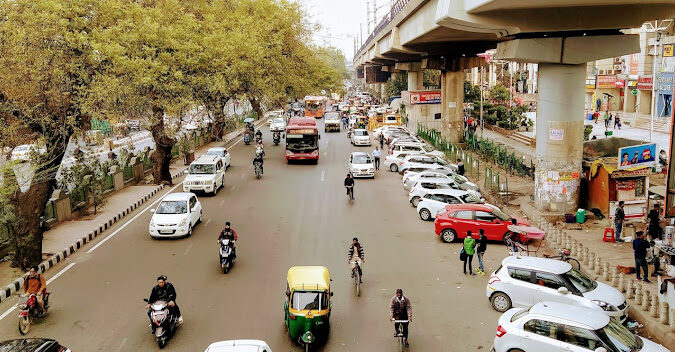
Looking for a lawyer in Saket? Saket is one of the most legally active neighbourhoods in Delhi – it has its own district court complex, a heavy concentration of law offices around the Saket District Centre, and a resident population that ranges from senior bureaucrats and senior counsel to first-generation home buyers in DDA flats. If you live in Saket, your matter will most likely be filed at the Saket Court Complex, but the kind of lawyer you need depends on what you are dealing with. This guide walks you through it from a working advocate’s point of view, without naming any “top” lawyer (which would in any case be against Bar Council Rule 36).
Saket: A Quick Look at the Area
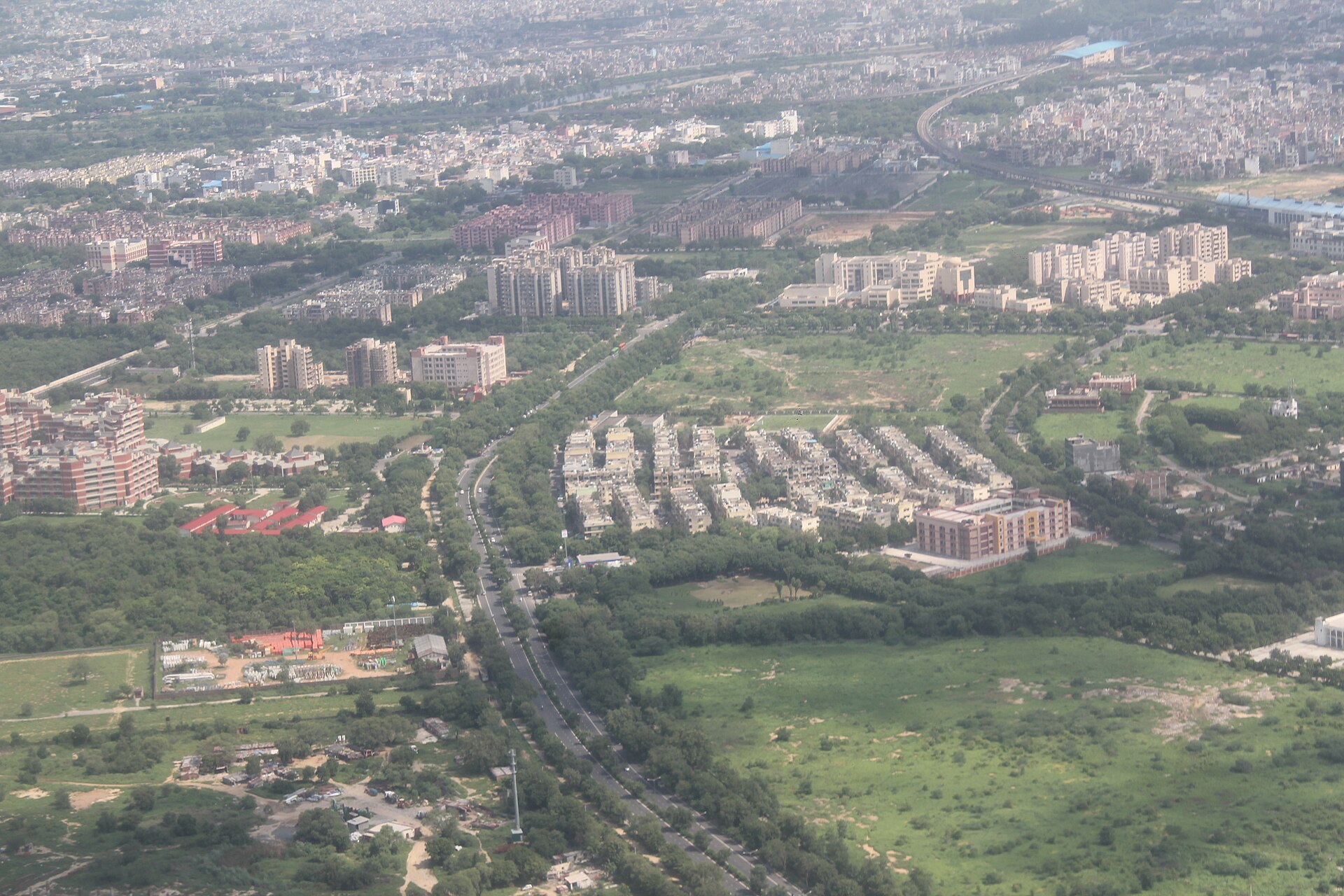
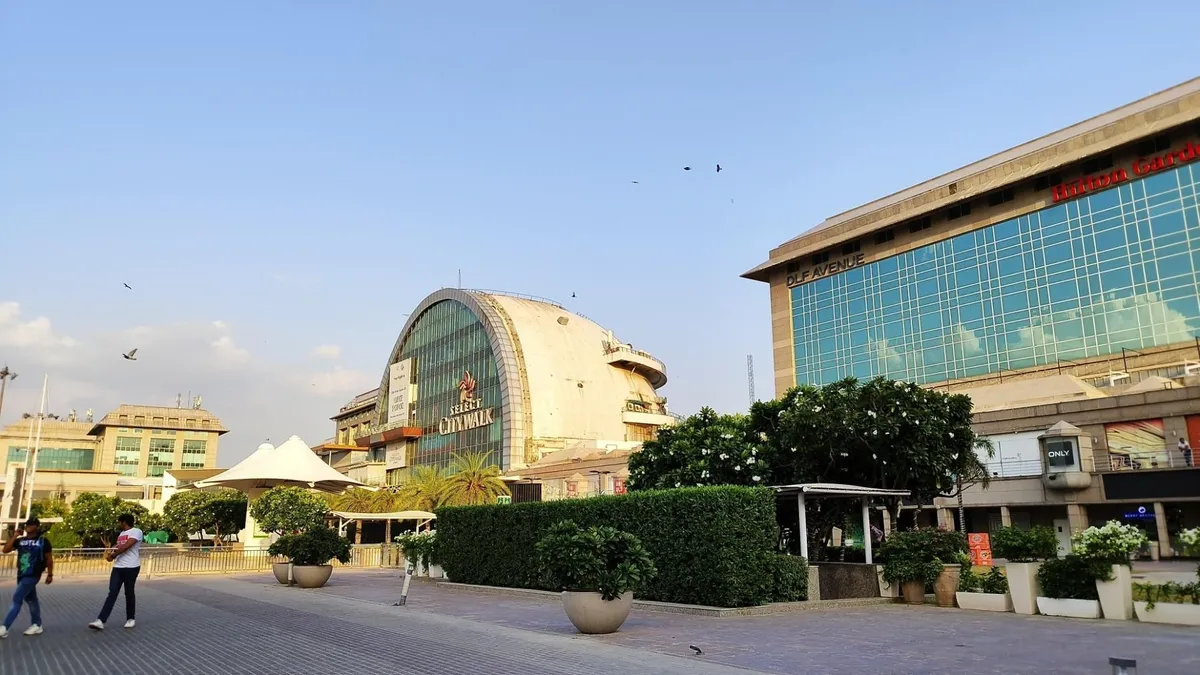
Saket sits in South Delhi between Malviya Nagar to its north and Mehrauli to its south, with sectors numbered J, K, L and M making up the residential pockets. The locality is unusual in Delhi because it combines four kinds of populations in one PIN code (110017). First, there are the original DDA allottees and their families in J and K Block flats – many of these are now second-generation households with classic Delhi property issues (mutation pending, will not registered, sibling disputes). Second, the L and M Block bungalows house a wealthier residential class with more complex matters – cross-border tax, NRI sale of property, inheritance under multiple personal laws. Third, the area around Pushp Vihar and Saidulajab has a working population that uses Saket Court, the metro station, and Select Citywalk. Fourth, and most importantly for legal demand, Saket has the largest concentration of practising lawyers in South Delhi outside of the High Court – several hundred chambers operate out of the Saket District Centre and Sector 6, Pushp Vihar.
What this means for a resident: a Saket address is a legal address. Most of South Delhi’s civil suits, family court matters, cheque bounce complaints, criminal cases for the South and South-East district, and appeals from those courts all transit through the Saket Court Complex. If you live in Saket and your matter is in Saket Court, the journey is short. If your matter falls under a different court (Patiala House for new Delhi district, Delhi High Court for writs and high-value commercial), the lawyer’s location matters less than their familiarity with that specific court’s roster.
What Kind of Legal Matters Come Up for Saket Residents and Businesses
From the matters that come into a typical Saket-facing practice, here are the categories that come up most often.
Family and matrimonial matters. The Family Court at Saket handles divorces, maintenance under Section 144 BNSS (formerly Section 125 CrPC), child custody and guardianship, and Hindu Marriage Act / Special Marriage Act petitions for residents of South and South-East district. Mutual consent divorces are the most common, but contested petitions on grounds of cruelty and desertion are increasing. Domestic Violence Act complaints under the PWDVA, 2005 are also filed in this complex.
Property and inheritance. Saket’s older flats often have unregistered wills, mutation pending in MCD records, and disputes between siblings about ancestral DDA allotments. Title verification before purchase is the single most underrated step – many Saket buyers skip an encumbrance check and end up with possession but no clean title. Partition suits and specific performance suits for breach of agreement to sell are heard at Saket Court for properties in this jurisdiction.
Cheque bounce (Section 138 NI Act). Saket Court has a heavy NI Act roster. Most originate from business transactions where a post dated cheque was issued for goods, services or loan repayment. The 30 day notice period after the bank memo is critical – missing it ends the case before it begins.
Criminal matters – bail, FIR, quashing. Saket Court handles bail applications and trials for the South and South-East police districts (Saket, Malviya Nagar, Hauz Khas, Vasant Kunj, Mehrauli, Sangam Vihar, Lodhi Colony stations). Anticipatory bail in non-bailable matters is filed at Saket Sessions Court first, and only when refused is it taken to Delhi High Court.
Consumer and RWA disputes. Saket has dozens of active RWAs and complaints against builders, e-commerce sellers, banks, hospitals (Max Saket is in this PIN code) and service providers. Consumer complaints are filed at the District Consumer Commission as per pecuniary limits.
Cyber fraud. A growing category, especially against senior citizens in the L and M Block area. The first step is the Cyber Helpline 1930, then a written complaint to the Saket Cyber Cell.
Which Court Will Hear Your Matter
If you live in Saket and your matter is in Delhi, the routing is straightforward. The Saket Court Complex hears almost everything that comes from the South and South-East police districts: civil suits up to its pecuniary limit, criminal matters from the local police stations, family matters, NI Act cases, consumer complaints (at the District Commission inside the complex), and POCSO and special-Act matters. Bail applications begin at the Sessions Court inside Saket and only escalate to Delhi High Court if refused.
Some matters from Saket residents go elsewhere. Writ petitions and Article 226 challenges go directly to Delhi High Court at Sher Shah Road. Commercial suits above the pecuniary limit and IPR matters go to Delhi High Court (Original Side or IPD). Insolvency and corporate matters go to NCLT Principal Bench at CGO Complex. Service matters for central government employees go to CAT Delhi. Income tax appeals reach ITAT Delhi. Consumer matters above the District Commission’s pecuniary jurisdiction move to the State Commission, and above that to NCDRC New Delhi.
The single most useful question to ask before retaining any lawyer is: “Have you appeared in this specific court in the last six months for a matter like mine?” Familiarity with the bench, the reader, and the listing pattern of that court matters more than a lawyer’s general reputation.
How to Choose the Right Lawyer for a Saket Matter
When choosing a lawyer for a Saket matter, three things make the practical difference.
First, fit between matter and lawyer. Saket has a very large bar, but most lawyers practise in narrow lanes – matrimonial, NI Act, criminal, civil. A first contact with the lawyer should establish whether they handle your kind of matter as their main work or as an occasional referral. Ask directly.
Second, a written engagement letter. Indian clients often hire on a verbal handshake in chambers and end up confused about what was promised, what is included, and what each appearance will cost. A one page engagement letter that lists scope, fee, out-of-pocket expenses (court fees, process fees, notary), and how appearances are billed protects everyone.
Third, a realistic timeline conversation. A divorce by mutual consent at Saket Family Court is typically 6 to 18 months. A contested matter is 3 to 7 years. A Section 138 NI Act trial is 1.5 to 3 years. A property partition suit can run 5 to 10 years. If a lawyer promises a much faster timeline, ask how. Sometimes it is genuinely possible (mediation, settlement, summary procedure), and sometimes it is not.
Documents and Information You Should Have Ready
Whatever the matter, the first meeting with a lawyer goes faster if you bring a clean folder. For a Saket matter, the usual starting set includes:
- Aadhaar / PAN / passport copy of the person whose matter it is.
- Address proof for the Saket address (utility bill, voter ID, or rent agreement).
- Any letters, notices, FIR copies, court summons, complaint copies, or arbitration notices already received.
- For property matters: chain of title deeds, sale deed, mutation papers, encumbrance certificate, electricity and water bills, society NOC if applicable.
- For matrimonial matters: marriage certificate, photographs from the wedding, evidence of cohabitation, school records of children, salary slips of both spouses.
- For Section 138 cases: original cheque, bank return memo, demand notice issued, postal acknowledgement, copy of underlying invoice or agreement.
- For consumer matters: invoice, payment proof, written complaint to the seller, their reply, screenshots of online communication.
- A short timeline (one page) of what happened, in your own words and dates.
Frequently Asked Questions
Which court will my matter from Saket go to?
If you live in Saket (PIN 110017), your civil, criminal, family, NI Act, and consumer matters will most likely be filed at the Saket Court Complex on Press Enclave Road. Writ petitions go to Delhi High Court. Commercial suits above the pecuniary limit, and IPR, NCLT, and tax matters go to specialised forums.
How much do lawyers in Saket typically charge?
Fees vary widely by experience and matter type. As a rough range: a one-time consultation is anywhere from Rs. 2,000 to Rs. 10,000; a Section 138 cheque bounce case may be quoted at a fixed fee of Rs. 50,000 to Rs. 1,50,000 plus court fees; a contested divorce can run from Rs. 1,00,000 to several lakh over the life of the case. Always ask for a written fee structure before engaging.
Can I file my case at Saket Court if I live somewhere else but the other party lives in Saket?
Often yes, depending on the cause of action. For criminal cases, jurisdiction follows where the offence took place. For civil suits, you may have a choice. For matrimonial matters, the petition can be filed where either spouse last resided together, or where the wife currently resides. A lawyer will tell you which forum is strategically better.
Is the Family Court at Saket different from the regular Saket Court?
The Family Court is a separate dedicated bench within the Saket Court Complex that hears only matrimonial, divorce, maintenance, custody, and guardianship matters. It follows the Family Courts Act, 1984, and proceedings are camera-confidential. Cheque bounce or property cases do not go to the Family Court.
How do I find an honest lawyer in Saket without being misled by online “Top 10” lists?
Ignore those lists – the Bar Council of India treats them as touting and recent High Court rulings have flagged them. Better signals are: a working office address you can actually visit, a clear written engagement letter, willingness to give you a realistic timeline (not a promise of “quick result”), and bar council enrolment that you can verify on the Bar Council of Delhi website.
Can a Saket lawyer also handle my Delhi High Court or Supreme Court matter?
Yes, most established Saket-based lawyers also appear at the Delhi High Court at Sher Shah Road. For the Supreme Court, they will instruct or partner with an Advocate-on-Record (AOR), which is a special Supreme Court designation. Confirm this arrangement at the start so you know who actually argues at each level.
Talk to a Lawyer in Saket – SASA Legal
If you are looking for a lawyer in Saket for any of the matters discussed above, SASA Legal is happy to help. The first conversation is the most important one, and we keep it simple.
Three easy ways to reach us:
- WhatsApp (fastest): +91 80621 80519 – send a one line description of your matter and we will revert with the next step.
- Phone: +91 80621 80519 (Mon to Sat, 10:00 AM to 7:00 PM)
- Email: office@sasa.legal
Office: L-34, Outer Circle, Connaught Place, New Delhi – 110003
We routinely act for clients who live or do business in Saket and the surrounding parts of Delhi NCR. If your matter is urgent (arrest, search, eviction notice, freezing of account), please call rather than email so we can act on the same day.
Saket sits in the middle of South Delhi’s legal infrastructure. If you live here, the courts and professional support are within twenty minutes by road. The harder part is matching your matter to the right kind of lawyer and getting the basics (engagement letter, document set, realistic timeline) sorted at the start. If you would like a no-obligation first conversation about your matter, we are at the address below.
About the Author
Advocate Keshav Agarwal is the founder of SASA Legal, a Connaught Place based law practice that advises individuals and businesses across Delhi NCR on civil, criminal, family, commercial, consumer, cyber, property and arbitration matters. SASA Legal acts before the Supreme Court of India, the Delhi High Court, all Delhi district courts (Saket, Tis Hazari, Patiala House, Karkardooma, Rohini, Dwarka, Rouse Avenue), and key tribunals (NCLT, NCLAT, NCDRC, DRT, NGT, ITAT, CAT).
Contact: +91 80621 80519 | office@sasa.legal | L-34, Outer Circle, Connaught Place, New Delhi – 110003
Disclaimer
This article is published for general information and public legal awareness only and does not constitute legal advice or solicitation under Rule 36 of the Bar Council of India Rules. Readers should not act on the contents of this article without taking independent legal advice from a qualified advocate based on the specific facts of their matter. SASA Legal disclaims all liability arising from any action or decision taken on the basis of this article. Information is current as of 4 May 2026 and may change with amendments to law, procedure or court practice.