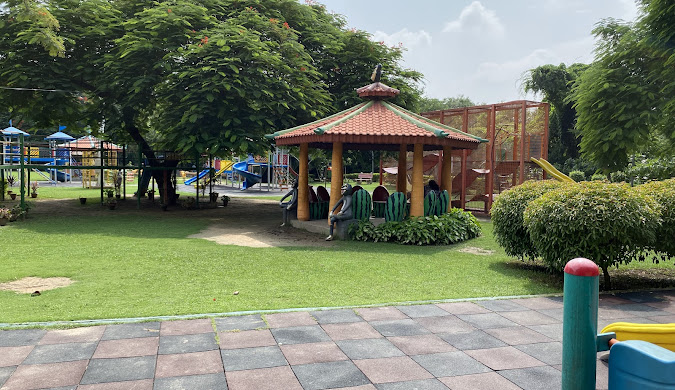
Looking for a lawyer in Greater Kailash? GK-1 and GK-2 sit at the centre of South Delhi’s most affluent residential belt. The legal matters that come out of these two colonies are not the same as the rest of Delhi – they are weighted heavily toward property and inheritance, family disputes among second and third generation Delhi families, high value commercial agreements, NRI matters, and increasingly, cyber fraud against senior citizens. This guide explains what GK residents should think about when choosing a lawyer, and which forum will hear their matter.
Greater Kailash: A Quick Look at the Area
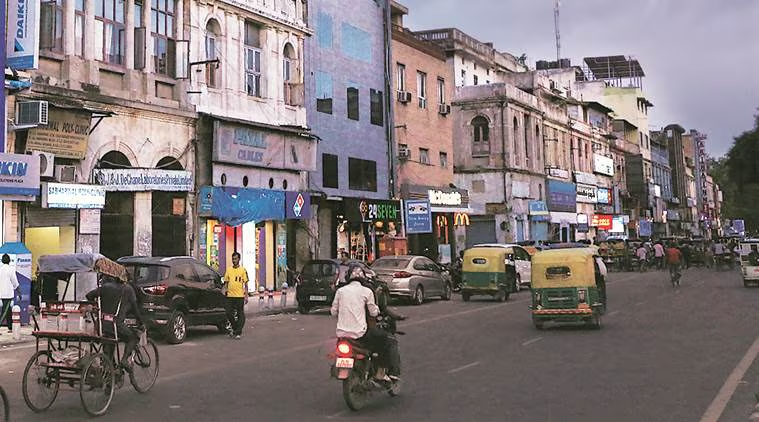
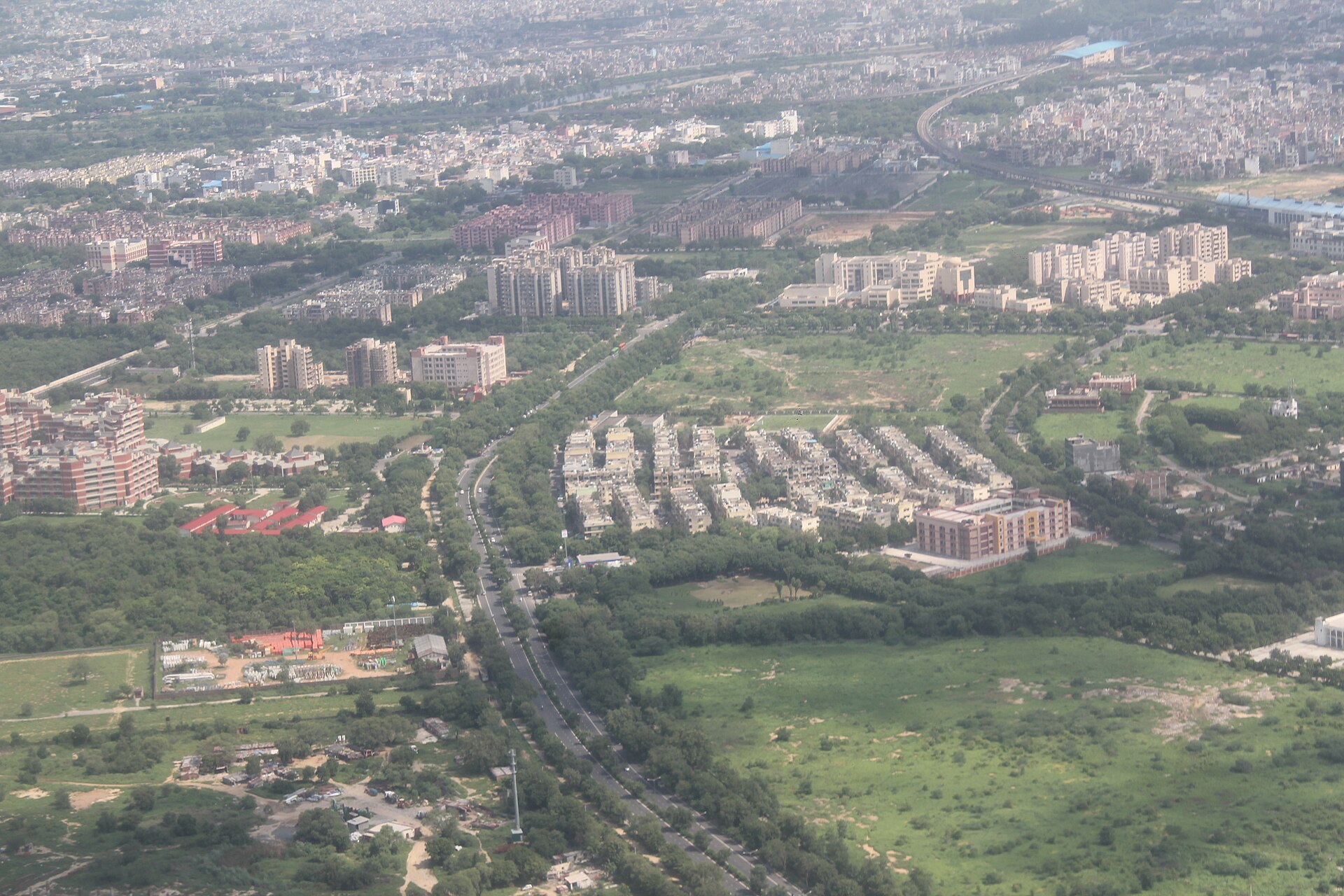
Greater Kailash is a planned post-1947 South Delhi colony spanning two major parts: GK-1 (with M Block, N Block, S Block, W Block and the M Block market) and GK-2 (with E Block, J Block, U Block and the M Pocket market). Both share the PIN code 110048 with adjoining Chittaranjan Park and parts of Greater Kailash Enclave. The colonies were originally allotted in the 1960s and 1970s and many of the 200 to 500 sq yd plots have since been sub-divided into independent floors (the standard South Delhi “floor culture” of GF, FF, SF and TF). This builder-floor model is the source of a very distinctive set of legal issues that come out of GK.
The resident profile is older on average than the rest of Delhi. Many of the original allottees are now in their 70s and 80s, and properties are passing to the next generation through wills, releases, and sometimes litigation. Several households have NRI children who hold or inherit fractional interests in the property. The market areas – M Block GK-1 and M Pocket GK-2 – are commercial hubs with restaurants, fashion stores, salons, clinics, and small offices. Disputes around lease deeds, license agreements, GST, conversion charges, and tenant eviction are common in the commercial pockets.
Legally, GK is a place where the substantive amounts are large, the parties are well-resourced, and the matters are documents-heavy. Lawyers acting for GK clients tend to spend more time on title research, drafting, and tax-efficient structuring than on courtroom argumentation, although litigation does follow when settlement fails.
What Kind of Legal Matters Come Up for Greater Kailash Residents and Businesses
Property and title work. This is the single largest category. Sale and purchase of GK builder floors involves a chain-of-title check going back to the original DDA allotment, a search of mutation in MCD records, a CCSI / encumbrance check, verification of conversion (lease-hold to free-hold) status, and a clean sale deed drafted to address common pitfalls (parking, terrace rights, common areas, basement use, lift). Disputes between co-owners of the four-floor structure are common – one floor sells, others claim a right of pre-emption, and the matter goes to civil court at Saket.
Inheritance and succession. GK has a high concentration of unregistered wills, properties held jointly with deceased spouses, and intestate successions involving children spread across India and abroad. Probate or letters of administration may be required when the value is high or any one heir contests. For Hindu households the Hindu Succession Act applies, for Sikhs the same, for Christians and Parsis the Indian Succession Act. NRI heirs often need a Power of Attorney to be executed, attested at the Indian consulate abroad, and adjudicated in India.
Family and matrimonial. Mutual consent divorces are common in GK and most are filed at Saket Family Court. Contested matters often involve high net worth division, alimony based on standard of living during the marriage, and custody arrangements that account for international travel and overseas schooling.
Commercial leasing. M Block and M Pocket markets generate disputes about rent escalation, eviction of tenants in occupation for decades, conversion charges, license vs lease characterisation, and shop closure under MCD orders.
Cyber fraud against senior citizens. A serious and increasing category – investment fraud, fake “customs officer” calls, romance scams, KYC update scams. The first step is the Cyber Helpline 1930 within 24 hours, followed by a written complaint and FIR.
Consumer matters. GK residents, like other South Delhi consumers, file at the District Consumer Commission for complaints below Rs. 50 lakh, State Commission below Rs. 2 crore, and NCDRC above that.
Which Court Will Hear Your Matter
GK falls under the jurisdiction of the South District police, and the corresponding civil and criminal court is the Saket Court Complex on Press Enclave Road. Civil suits, family matters, NI Act cases, consumer complaints below Rs. 50 lakh, and criminal matters from the local police stations (CR Park, GK, Hauz Khas, Malviya Nagar) are heard at Saket.
Higher value or specialised matters go elsewhere. A commercial suit above Rs. 3 crore (the Commercial Courts Act threshold for Delhi HC original side) goes to Delhi High Court. An IPR suit goes to Delhi High Court IPD. A writ petition under Article 226 goes to Delhi High Court at Sher Shah Road. A petition under the Companies Act, IBC Section 7, IBC Section 9, or oppression and mismanagement goes to NCLT Principal Bench. An income tax appeal reaches ITAT Delhi. A RERA complaint against a Delhi builder goes to Delhi RERA at Vikas Bhawan.
For NRI heirs filing probate or letters of administration in respect of GK property, the petition is filed at Delhi High Court if the assets exceed the pecuniary limit of the District Court, otherwise at Saket District Court.
How to Choose the Right Lawyer for a Greater Kailash Matter
GK matters reward careful drafting and document discipline more than aggressive courtroom posture. Three practical pointers:
First, engage the lawyer early in property transactions. The cost of a good title search and a well drafted sale deed is a small fraction of the price you avoid paying later in litigation. Many GK property fights are between buyer and seller within five years of sale, and almost all of them trace back to a sale deed that did not specify parking rights, terrace use, or roof rights.
Second, treat wills as a serious instrument, not a family discussion. An unregistered will is admissible in evidence but can be challenged on grounds of authenticity, mental capacity, and undue influence. A registered will at the office of the Sub-Registrar Mehrauli or the District Sub-Registrar (depending on jurisdiction) is far harder to challenge. Add a probate plan if any heir is overseas.
Third, for NRI matters, plan for time zones. Court dates in India are not flexible to overseas convenience. Issue a properly attested Power of Attorney to a relative or to your lawyer’s clerk, and have the lawyer file vakalatnama on the strength of that POA. This is standard practice and saves repeated travel.
Documents and Information You Should Have Ready
For a GK matter, the most useful folder to bring includes:
- Identity and address proof (Aadhaar, PAN, passport).
- For property matters: original DDA allotment letter or freehold conversion deed, all subsequent sale/release/gift deeds in chain, mutation papers in MCD records, House Tax receipts, Electricity and water bills, and any society or RWA documents.
- For inheritance: death certificate, will (registered or unregistered), heirship certificate (if obtained), family tree affidavit.
- For NRI matters: passport bio page, address abroad, Power of Attorney attested at the Indian consulate, OCI / PIO card if applicable.
- For matrimonial matters: marriage certificate, evidence of cohabitation, financial statements of both spouses, any pre-nuptial communications.
- For commercial leasing: lease deed, rent receipts, MCD notices, NDMC trade licence (if applicable), GST registration certificate.
- For cyber fraud: bank statement showing debit, screenshots of communication, transaction IDs, Cyber Helpline 1930 acknowledgement, copy of complaint and FIR (if filed).
Frequently Asked Questions
Which court hears GK-1 and GK-2 civil matters?
Saket Court Complex hears civil suits, family matters, criminal cases, and consumer complaints from GK-1 and GK-2 (PIN 110048). High value commercial suits and writ petitions go to Delhi High Court.
My parent passed away leaving a flat in GK-1. What is the first step?
Obtain the death certificate and locate the will, if any. If a registered will exists naming a single executor and beneficiary, mutation in MCD records can usually be done administratively. If the will is unregistered or contested, or there is no will and multiple heirs, you may need probate or letters of administration from the District Court (Saket) or Delhi High Court depending on value.
I am an NRI inheriting a GK property. Do I need to come to India?
Not necessarily. You can issue a Power of Attorney attested at the Indian consulate / High Commission in your country of residence, authorising a relative or a lawyer in India to act on your behalf for filing of probate, mutation, and (if you wish to sell) registration of sale deed. The POA must be adjudicated and stamped in India before it is acted upon.
Can I sell my GK builder floor without the consent of co-owners on other floors?
It depends on what the original sale deed says about pre-emption, parking, terrace, and common areas. In most cases the floors are independently saleable, but the buyer will demand clarity on common areas. A lawyer-drafted sale deed that addresses these is essential to avoid later disputes.
Is M Block / M Pocket commercial space residentially zoned?
M Block GK-1 and M Pocket GK-2 are notified commercial market areas. However, conversion charges, mixed land use payments, and parking compliance vary by exact plot. Before signing a lease for a shop or restaurant, check the property’s mutation, conversion status, and the MCD trade licence position.
A senior citizen in my family has been defrauded online. What do we do first?
Within 24 hours of the transaction, call Cyber Helpline 1930 and register a complaint at cybercrime.gov.in. Then file a written complaint at the local cyber cell or police station. Speed is critical – the chance of recovering money drops sharply after 72 hours.
Do GK matters take longer than other Delhi matters?
Not on the timetable side, but they often involve more parties, more documents, and more value, so the substantive work (drafting, settlement negotiation, mediation) takes longer than a routine matter. A contested partition or specific performance suit at Saket can run 5 to 10 years, although mediation often shortens this.
Talk to a Lawyer in Greater Kailash – SASA Legal
If you are looking for a lawyer in Greater Kailash for any of the matters discussed above, SASA Legal is happy to help. The first conversation is the most important one, and we keep it simple.
Three easy ways to reach us:
- WhatsApp (fastest): +91 80621 80519 – send a one line description of your matter and we will revert with the next step.
- Phone: +91 80621 80519 (Mon to Sat, 10:00 AM to 7:00 PM)
- Email: office@sasa.legal
Office: L-34, Outer Circle, Connaught Place, New Delhi – 110003
We routinely act for clients who live or do business in Greater Kailash and the surrounding parts of Delhi NCR. If your matter is urgent (arrest, search, eviction notice, freezing of account), please call rather than email so we can act on the same day.
The legal life of a GK household is documents-heavy. The decisions that matter are usually made at the time of acquiring property, drafting a will, structuring a lease, or filing a complaint within the first 72 hours – not at the trial stage. If you are at any of these inflection points, it is worth a one hour conversation with a lawyer before you act.
About the Author
Advocate Keshav Agarwal is the founder of SASA Legal, a Connaught Place based law practice that advises individuals and businesses across Delhi NCR on civil, criminal, family, commercial, consumer, cyber, property and arbitration matters. SASA Legal acts before the Supreme Court of India, the Delhi High Court, all Delhi district courts (Saket, Tis Hazari, Patiala House, Karkardooma, Rohini, Dwarka, Rouse Avenue), and key tribunals (NCLT, NCLAT, NCDRC, DRT, NGT, ITAT, CAT).
Contact: +91 80621 80519 | office@sasa.legal | L-34, Outer Circle, Connaught Place, New Delhi – 110003
Disclaimer
This article is published for general information and public legal awareness only and does not constitute legal advice or solicitation under Rule 36 of the Bar Council of India Rules. Readers should not act on the contents of this article without taking independent legal advice from a qualified advocate based on the specific facts of their matter. SASA Legal disclaims all liability arising from any action or decision taken on the basis of this article. Information is current as of 4 May 2026 and may change with amendments to law, procedure or court practice.