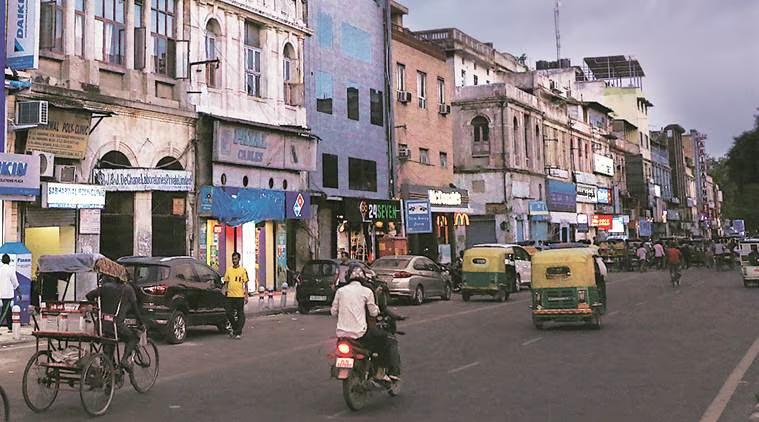

Looking for a lawyer in Chandni Chowk? Chandni Chowk is one of Asia’s oldest and most active wholesale markets – the spice market at Khari Baoli, the wedding shopping market at Kinari Bazaar, the electronics and electricals at Bhagirath Place, the silver jewellery market at Dariba Kalan, and a dense traditional residential population in the surrounding katras and havelis. The legal matters out of Chandni Chowk are heavily commercial – cheque bounce, lease disputes (often involving heritage and centuries-old tenancies), wholesale credit, and a steady share of property and inheritance work. Most matters are heard at Tis Hazari Court Complex.
Chandni Chowk: A Quick Look at the Area
Chandni Chowk (PIN 110006) is the original centre of Mughal-era Delhi (Shahjahanabad), built by Shah Jahan in the 17th century. It runs from the Red Fort in the east to the Fatehpuri Masjid in the west, with the Sis Ganj Sahib Gurdwara, the Jain Temple, the Town Hall (Ghantaghar), and the Sunehri Masjid as landmarks along the spine. The surrounding lanes (Khari Baoli, Kinari Bazaar, Dariba Kalan, Bhagirath Place, Naya Bazaar, Maliwara, Lal Kuan) house specialised wholesale markets – spices, dry fruits, wedding sarees, silver jewellery, electronics and electricals, paper, perfumes.
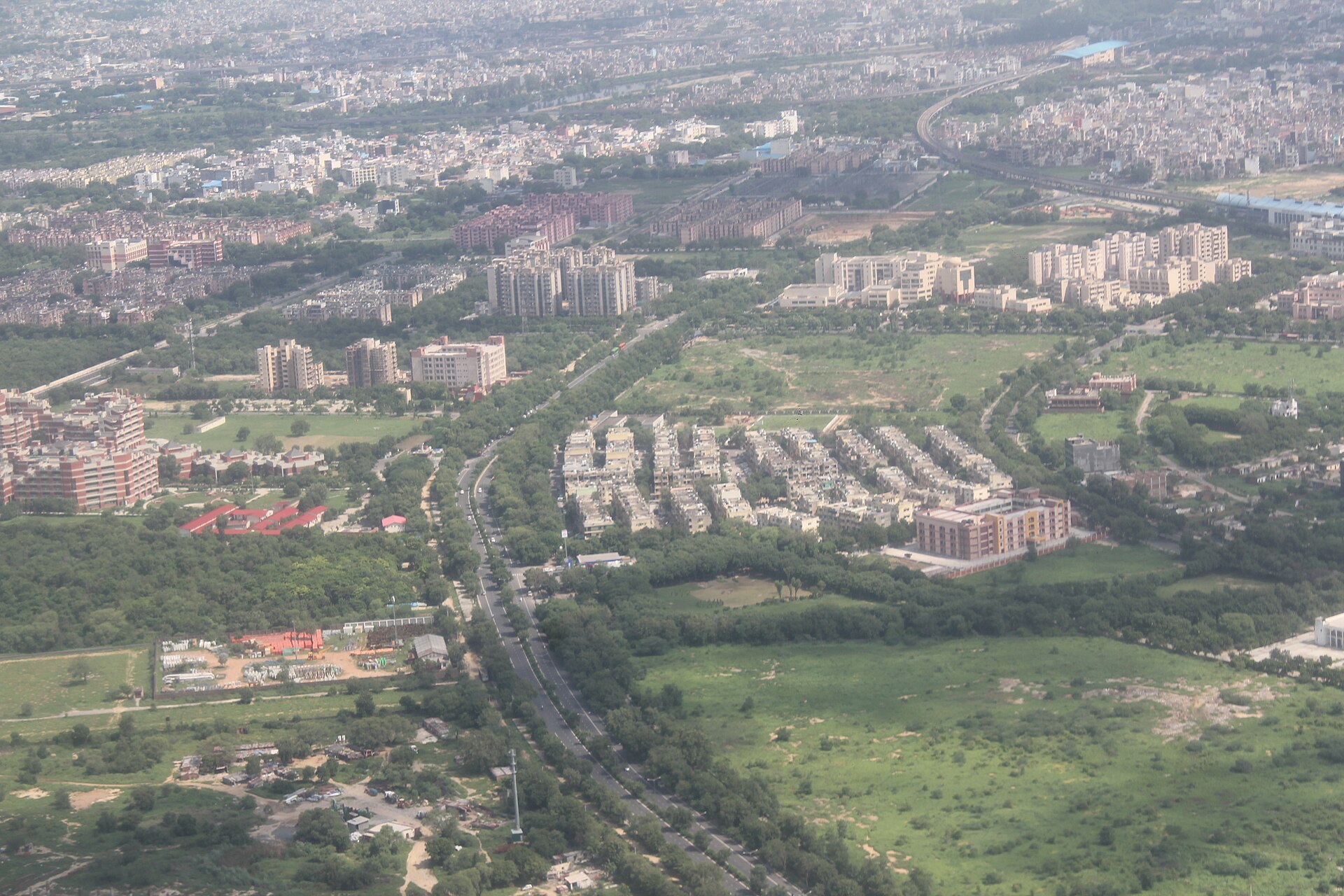
Settlement pattern is dense – centuries-old katras (lane-clusters of small shops with residential rooms above), large havelis (some now subdivided among heirs, some converted to commercial use, some heritage-listed), and a traditional resident base of long settled trading families. Heritage status of many properties adds a layer of complexity.
Legally, Chandni Chowk’s distinctive flow is wholesale commercial credit, century-long tenancies under the Delhi Rent Control Act, multi-generational property and inheritance disputes, heritage property compliance, and the standard local criminal and family work.
What Kind of Legal Matters Come Up for Chandni Chowk Residents and Businesses
Section 138 NI Act. Largest single category. The wholesale markets run on dense credit relationships, often spanning decades and generations of the same trading families.
Commercial tenancy under Delhi Rent Control Act. Many Chandni Chowk shop tenancies were created before 1 December 1962 and are protected by DRCA. Disputes about rent escalation, eviction, sub-letting, and recovery of property go to the Rent Controller.
Property and inheritance. Multi-generational havelis with multiple heirs, Lal Dora questions, heritage listing, and informal tenancies. Civil suits at Tis Hazari.
Heritage property. Construction or major alteration on listed heritage properties requires UAC permission. Notices for unauthorised alteration are common.
Wholesale commercial disputes. Disputes about goods quality, payment, delivery, breach of contract.
GST and trade licence matters. Heavy flow given the dense commercial concentration.
Family and matrimonial. Tis Hazari Family Court.
Criminal. From the Kotwali, Chandni Chowk, and Lahori Gate police stations.
Which Court Will Hear Your Matter
Chandni Chowk falls under the Central or North Delhi police district (varies by exact police station). Civil, criminal, family, NI Act, and consumer matters are heard at Tis Hazari Court Complex on Boulevard Road. Family Court at Tis Hazari.
DRCA matters go to the Rent Controller (a designated court within Tis Hazari for rent control matters).
Higher value or specialised: Delhi High Court for writs, commercial above Rs. 3 crore, IPR; NCLT for corporate / IBC; ITAT for tax appeals; heritage property writs at Delhi HC.
GST disputes through GST Department, then GST Appellate Tribunal, with writ challenges at Delhi HC.
How to Choose the Right Lawyer for a Chandni Chowk Matter
Three pointers for Chandni Chowk matters:
First, for any DRCA-protected tenancy, eviction is possible only on specific grounds and only through the Rent Controller. The grounds include non-payment of rent, sub-letting without consent, bona fide requirement of landlord, and material alteration. Get a lawyer to review the lease and the grounds before initiating or contesting.
Second, for old haveli inheritance and partition, a registered family settlement at the Sub-Registrar is far more durable than oral arrangements. Many Chandni Chowk havelis have been informally divided among heirs for generations – formalising this is overdue but easier when relationships are intact.
Third, for any heritage property work, get UAC / DUAC permission before any alteration. Notices for unauthorised work can lead to demolition orders.
Documents and Information You Should Have Ready
Bring:
- ID and address proof.
- For Section 138: original cheque, bank return memo, demand notice with postal acknowledgement, underlying invoice, ledger of transactions.
- For DRCA: original lease (if any), rent receipts going back to 1962 or earlier, the grounds for eviction.
- For property: any available chain of title, Lal Dora certificate (if applicable), heritage listing (if any), revenue records.
- For inheritance: death certificate, family tree affidavit, will (if any).
- For matrimonial: marriage certificate, financials.
- For wholesale commercial: contracts, invoices, ledger, correspondence.
- For GST: registration, the impugned order, returns, bank statements.
Frequently Asked Questions
Which court hears matters from Chandni Chowk?
Tis Hazari Court Complex on Boulevard Road, Old Delhi. Rent Control matters at the Rent Controller (within Tis Hazari). Higher value commercial and writ matters go to Delhi High Court.
My family has run a shop in Khari Baoli for four generations without a written lease. Can the landlord evict?
If the tenancy was created before 1 December 1962 and rent does not exceed Rs. 3,500 per month, DRCA protections apply. The landlord can evict only on specific grounds and only through the Rent Controller. Maintain rent receipts and any letter-pad correspondence as evidence.
How quickly should I act on a bounced cheque from a wholesale customer?
Send the demand notice within 30 days of the bank return memo. File the Section 138 complaint within one month after the 15 day notice period.
My family has informally divided a haveli for two generations. Can we formalise?
Yes, through a registered family settlement deed at the Sub-Registrar Kashmere Gate / Daryaganj if all heirs agree, or a partition suit at Tis Hazari if they do not.
My Chandni Chowk haveli is heritage listed. Can I do interior work?
Interior work that does not affect the heritage character may not require UAC permission, but anything that changes the facade, the height, or the structural elements does. When in doubt, apply – the cost of unauthorised work being demolished is much higher than the application fee.
My Chandni Chowk shop got a GST notice. What is the route?
Respond within the time given. If an adverse assessment order is passed, the appeal goes to the GST Appellate Authority and eventually the GST Appellate Tribunal. Pending writ jurisdiction at Delhi HC is also available.
My elderly Chandni Chowk parent was scammed in a fake call. What now?
Within 24 hours, call 1930. File at cybercrime.gov.in and at the local cyber cell. Written representation to the bank for chargeback, then FIR.
Talk to a Lawyer in Chandni Chowk – SASA Legal
If you are looking for a lawyer in Chandni Chowk for any of the matters discussed above, SASA Legal is happy to help. The first conversation is the most important one, and we keep it simple.
Three easy ways to reach us:
- WhatsApp (fastest): +91 80621 80519 – send a one line description of your matter and we will revert with the next step.
- Phone: +91 80621 80519 (Mon to Sat, 10:00 AM to 7:00 PM)
- Email: office@sasa.legal
Office: L-34, Outer Circle, Connaught Place, New Delhi – 110003
We routinely act for clients who live or do business in Chandni Chowk and the surrounding parts of Delhi NCR. If your matter is urgent (arrest, search, eviction notice, freezing of account), please call rather than email so we can act on the same day.
Chandni Chowk’s legal life is dense, traditional, and document-heavy. The most useful interventions are formalising what has been informal for generations – DRCA tenancy records, family settlements, heritage compliance. If we can help, we are happy to start with a focused first conversation.
About the Author
Advocate Keshav Agarwal is the founder of SASA Legal, a Connaught Place based law practice that advises individuals and businesses across Delhi NCR on civil, criminal, family, commercial, consumer, cyber, property and arbitration matters. SASA Legal acts before the Supreme Court of India, the Delhi High Court, all Delhi district courts (Saket, Tis Hazari, Patiala House, Karkardooma, Rohini, Dwarka, Rouse Avenue), and key tribunals (NCLT, NCLAT, NCDRC, DRT, NGT, ITAT, CAT).
Contact: +91 80621 80519 | office@sasa.legal | L-34, Outer Circle, Connaught Place, New Delhi – 110003
Disclaimer
This article is published for general information and public legal awareness only and does not constitute legal advice or solicitation under Rule 36 of the Bar Council of India Rules. Readers should not act on the contents of this article without taking independent legal advice from a qualified advocate based on the specific facts of their matter. SASA Legal disclaims all liability arising from any action or decision taken on the basis of this article. Information is current as of 4 May 2026 and may change with amendments to law, procedure or court practice.